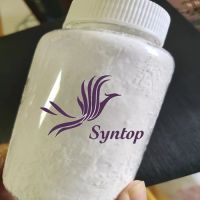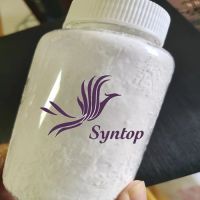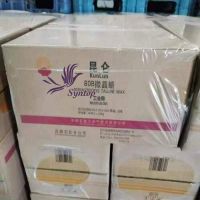
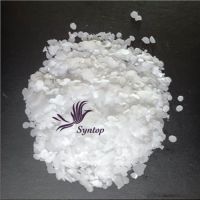

 Click to bigger picture..

1. Primary Function: Serves as an external lubricant
During PVC processing (such as extrusion, calendering, injection moulding), the polymer melt undergoes friction and adhesion with the metal surfaces of processing equipment (e. g. , screws, barrels, moulds) at elevated temperatures. The lubricant's role is to reduce this friction and adhesion.
Function of Fischer-Tropsch wax: As a typical external lubricant, Fischer-Tropsch wax exhibits low compatibility with PVC. During processing, it migrates from the PVC melt to its surface, forming a thin lubricating molecular layer between the melt and metal equipment.
Benefits:
Reduced processing energy consumption: Minimises friction, lowering equipment drive power requirements.
Prevents melt fracture: Reduces shear stress, preventing material degradation from excessive shear.
Facilitates demoulding: Effectively prevents products from adhering to moulds during injection moulding or calendering.
Enhances production line speed: Superior lubricity permits higher processing speeds.