
 点击图片查看原图

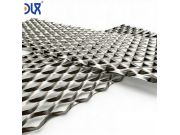
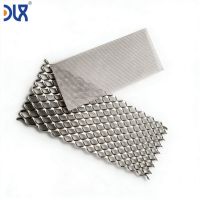
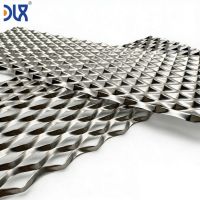
研究与模拟研究合作确认扩展的网状流动通道结构能够实现更高的电流密度(达到显著的百分比提升)、更均匀的速度分布,并减少能量消耗。与凹凸、菱形或楔形设计相比,该设计具有更高的适应性。关键的可调参数——主轴长度、次轴长度和网格高度——可以精确调整以满足特定电解器的需求。最终得到的是更加协调的设计效果。在电极表面进行持续的电化学反应,更好的气泡管理,以及更长的系统可靠性。


|
公司基本资料信息
|
||||||||||||||||||||||||||||
研究与模拟研究合作确认扩展的网状流动通道结构能够实现更高的电流密度(达到显著的百分比提升)、更均匀的速度分布,并减少能量消耗。与凹凸、菱形或楔形设计相比,该设计具有更高的适应性。关键的可调参数——主轴长度、次轴长度和网格高度——可以精确调整以满足特定电解器的需求。最终得到的是更加协调的设计效果。在电极表面进行持续的电化学反应,更好的气泡管理,以及更长的系统可靠性。
|

|

|
|
|
|
|
|